

















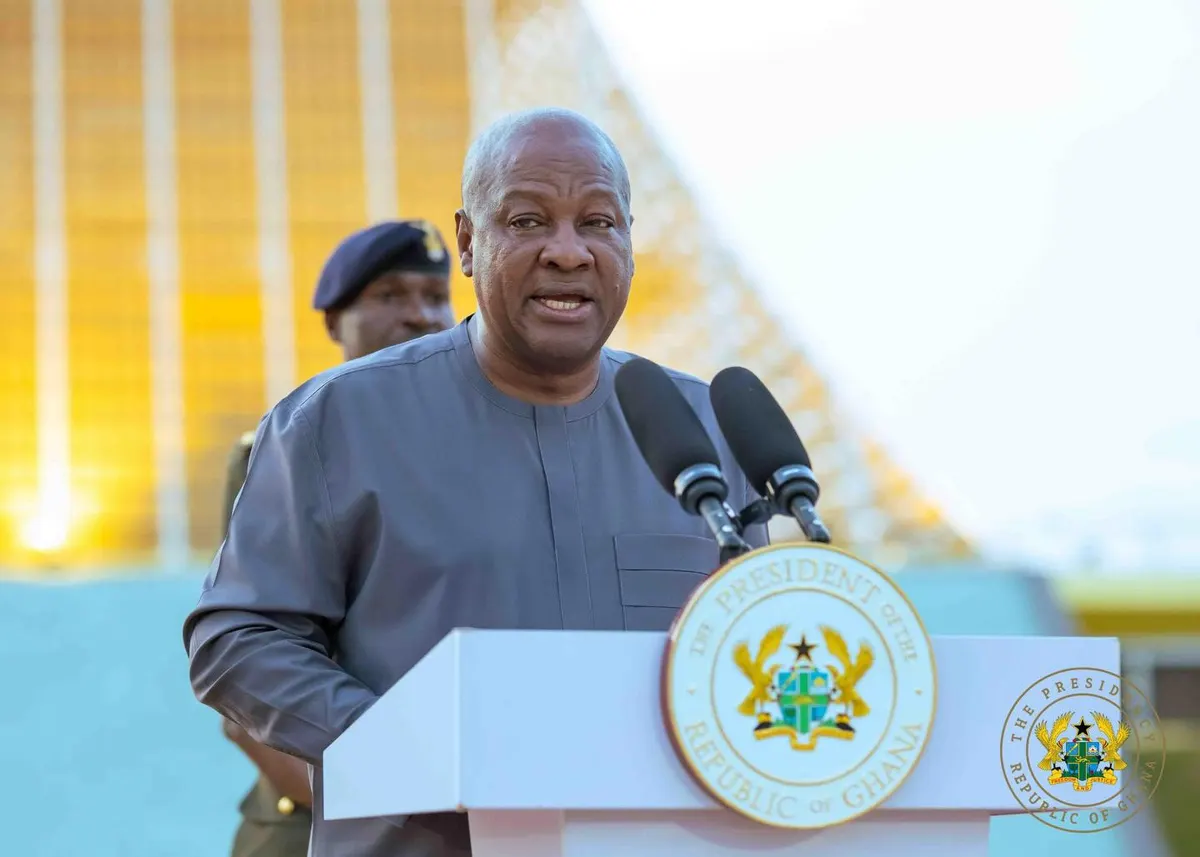
President John Dramani Mahama has given his firmest commitment yet to ending the controversial double track system in senior high schools, setting 2027 as the definitive deadline for its complete elimination.
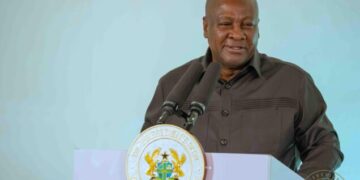
Speaking in Accra last Wednesday, May 13, the President anchored his pledge to a $300 million World Bank facility under the Transformative Secondary Education for Access, Results and Relevance for Jobs (STARR-J) project, which will fund the upgrade of 50 senior high schools across the country.
“By 2027, there should be no secondary school implementing a double track system in Ghana,” President Mahama declared. “The STARR-J project is going to assist the Ghana government achieve its target of bringing an end to double track in our secondary school system by next year.“
Under the initiative, 30 category C schools will be upgraded to category B, while 20 category B schools will be elevated to category A. The President described the investment as going beyond mere infrastructure expansion. “This strategic investment is not simply about expanding infrastructure; it is fundamentally about promoting equity, improving quality and widening opportunities for every Ghanaian child,” he stressed.
The STARR-J project will also revive the community day school concept through the construction of new E-blocks in urban and peri-urban communities, a measure the President said would ease pressure on existing boarding facilities. “If we get some of the children to go to school within their communities, it will ease the pressure on the boarding schools that are elsewhere,” he explained.Remove ads
The double track system was introduced in September 2018 as a stop-gap measure following a surge of over 30 percent in public SHS enrolment triggered by the Free Senior High School policy launched in 2017. Under the arrangement, students were divided into two cohorts — the Green Track and Gold Track — alternating between campus attendance and scheduled breaks at roughly three-month intervals. Though it expanded access, it drew sustained criticism from parents, teacher unions and education stakeholders who raised concerns about extended periods at home, an accelerated curriculum and strain on both students and teachers.
Beyond infrastructure, STARR-J will also fund continuous professional development for teachers, including digital literacy training and artificial intelligence integration. President Mahama also announced reforms to teacher career progression, noting that advancement to senior ranks would no longer depend on the availability of administrative positions. “Teachers can now progress on merit, competence, experience, performance, and years of dedicated service,” he said.
The government has additionally allocated GH¢1 billion from the Ghana Education Trust Fund (GETFund) to complete stalled infrastructure projects in schools currently operating under the double track arrangement, underscoring the administration’s resolve to make the 2027 target a reality.